
We recognize that every role and relationship is affected by the process of family separation, and it is our hope that everyone in the family can benefit from family renewal.
Click on the headers below to expand sections for more information.
Families do come in all shapes, in every from, and are sustained and strengthened by the enduring love of each parent to their child and their child’s child.
– Barry Lillie, Kids ‘n’ Dad founder
Within every separating family’s circle are numerous affected partners in their changing lives. If you wish to understand what is taking place, you are encouraged to review the resources intended for another audience that may provide insight and perspective on each party’s journey as you navigate the transition to a two home setting, with calm replacing chaos.
Expert advice to get you started

What about the Kids
– Judith Wallerstein and Sandra Blakeslee

Child development and separation
– Judith Wallerstein and Sandra Blakeslee

Parenting through Crisis
– Barbara Coloroso
Resources for Parents
“I like to see him (his son Karter) before the game,” said the Raptors star point guard. “It makes me whole. He doesn’t watch the game out there. He watches in the back. For me, I tell him I love him. He tells me good luck. We have a talk. You’ve got a good thing like that going. I give him a kiss. You have that in your life, what have you got to be mad about. You go out and do your job with ease.” – Excerpt from the Toronto Sun, Dec. 25, 2014
Talking About Fathers
Kyle Lowry captures the transformation that becoming a dad brought to his life. It changed and balanced his priorities – it brought true meaning for the rest of his life.

Every dad understands his words and can relate to the transformation that takes place.
Talking about fatherhood is complicated because of the many roads and relationships that may have brought us to becoming a dad. Different histories and family dynamics can bring different challenges during the separation process. However, we all share a common fear: losing our relationship with our child.
Supporting Fathers
We at Kids ‘n’ Dad recognize that the continuation of that father-child relationship is crucial. In this section there will be an opportunity to hear the words of fathers engaged in the everyday struggle to be an effective and loving parent.
Please listen and understand the challenges. Listen to be an inspired parent that provides your children with the best of yourself in order to nurture the best in your child. Listen to learn the tools necessary to be an effective parent and how you can acquire those needed skills. Listen to know that you are not alone in this journey.
I have yet to meet a dad who with the right support cannot be an amazing dad…for a lifetime!

The greatest gift that you can give your child is a sense that you’re a “forever father” who’s deeply committed to parenting. – Judith Wallerstein: What About the Kids
Related Posts from Our Blog
- No-Fault Divorce and Family Renewal
- Open letter to separated dads
- Letter to God from a proud father
- Every dad wants what’s best for his children
- Several posts on Father’s Day
- Lessons from A Separated Dad’s Journey to Create A Dad’s Home
- Decency in divorce: Reflections from a separated dad
See the General Parenting Resources section of this page for more relevant blog posts.
Tools and Tips
Resources from external organizations.
- How To Talk To Your Kids About Divorce | HuffPost Life
- Recognize domestic violence against men – Mayo Clinic
- Male victims of domestic violence struggle to disclose abuse by Tamara Mathias, Reuters
In the News
Stories from other dads experiencing separation and all its challenges.
When you are a mother, you are never really alone in your thoughts. You are connected to your child and to all those who touch your lives. A mother always has to think twice, once for herself and once for her child.Sophia Loren
Experiences of Motherhood
Sophia Loren shares a common experience of motherhood, as many mothers have felt their needs and priorities reorganized by motherhood. For some, this is a joyous transformation. Sophia Loren traveled a painful road to motherhood, having suffered two heartbreaking miscarriages before her first son was born. Despite these pains, she has said, “I believe that motherhood is the greatest role of my life. Nothing, not even winning an Oscar, can compete with the pleasure and sense of accomplishment it has given me.”
Still, a person’s relationship to motherhood can be complex, often made more complicated by the societies and systems in which we parent. Only recently has our society come to recognize the needs of women separately from their family roles. Even as more career settings seek to better include women, family role expectations are slower to change. Whatever else she may do, a mother parenting within a mixed-gender partnership often feels the need to take on the greater part of homemaking and parenting tasks. Even in same-sex partnerships, disparities in roles and expectations can present challenges in parenting—both together and apart.
The experiences of motherhood are unique to every mother, yet family separation present new challenges and concerns to all mothers. As roles and family dynamics change, so do we.

Supporting Mothers
Kids ‘n’ Dad recognizes that every mother comes to family life and separation with a unique set of needs. These needs as mothers also connect in complex ways to the needs of children, partners, and extended family.
In this section, we hope to connect you to resources informed by the experiences, challenges, and insights of other separating mothers. These resources can help you to see your own situation with new perspective and remind you that you are not alone in your struggles. Reading with an open mind can also help you discover new skills and insights as you work towards finding the best way forward for yourself and your separating family.
Family structures may change and evolve, but motherhood is forever!

Related Posts from Our Blog
- No-Fault Divorce and Family Renewal
- Open letter to separated moms
- My family matters… too!
- Several posts on navigating the holidays
- To my daughter on Mother’s Day
See the General Parenting Resources section of this site for more relevant blog posts.
Tools and Tips
Resources from external organizations.
Resources are grouped by topic below. See the Safety, Legal, or Financial section of our site for more on those topics and on alienation.
Blended Families
From the blog:
- Open letter: parents starting a blended family
- A second open letter to parents beginning a complicated blended family
- My Family Matters… Too!
External resources:
- My girlfriend wants to meet my children. When is the right time?
- New romantic partners can be dragged into the fray in support disputes
- 10 reasons why you should have a cohabitation agreement
Co-parenting
From the blog:
- Open letter: separating parents on your parent-child relationship
- Open letter: Separated parents on co-parenting
- What Matters Becomes Clear…Hopefully: Parenting and the pandemic
- Decency Should Matter
- Resource recap: Parenting Through Crisis by Barbara Coloroso
- Resource Recap: What about the Kids by Judith Wallerstein and Sandra Blakeslee
External resources:
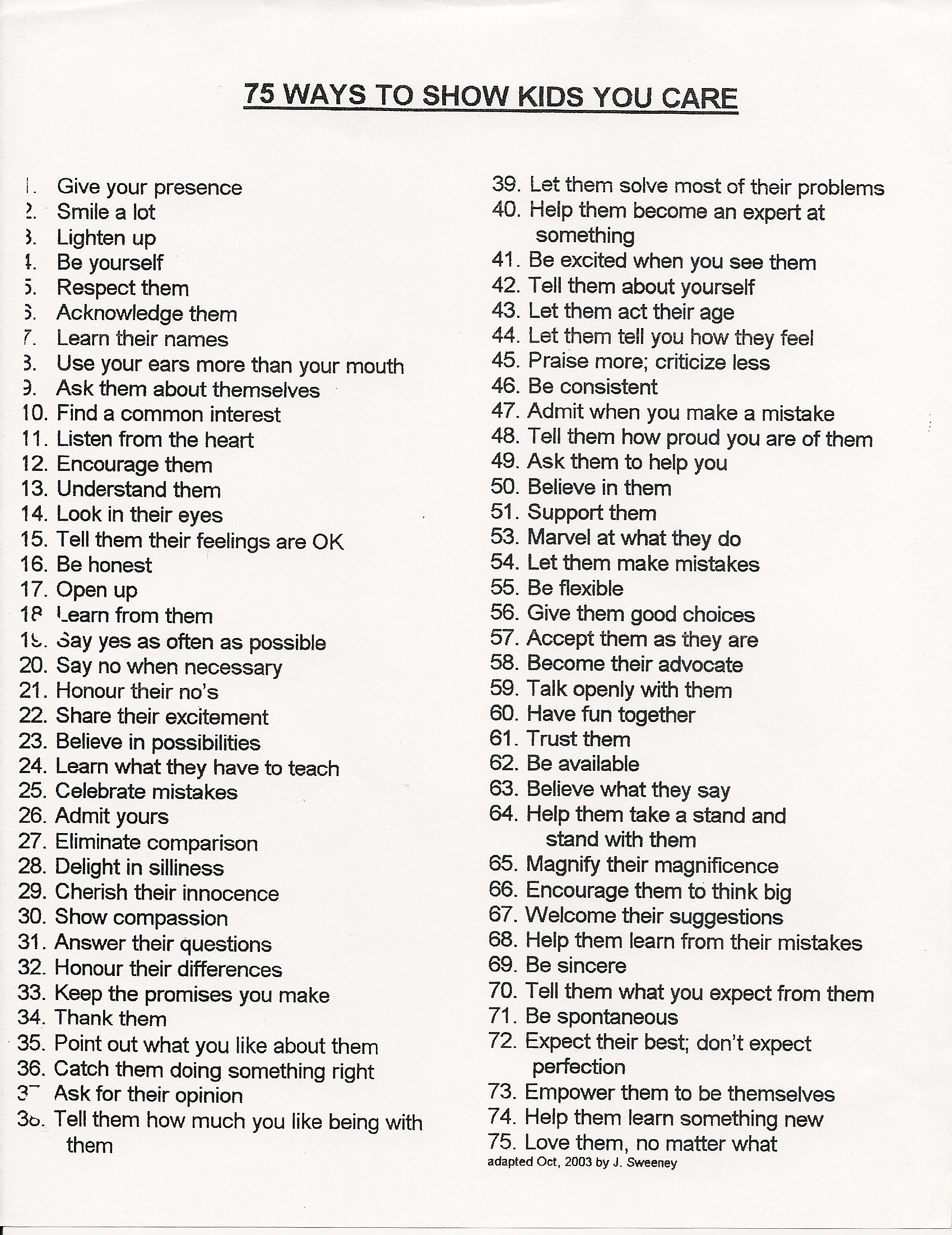
- 75 Ways to Show Kids You Care
- Checklist Keeping in Touch, Long Distance Communications
- I’m On The Right Track Parenting Checklist
- Sample Standards of Conduct
- Tips For Parents
- Total Parenting Handbook
- How to be a better divorced parent
- Who Started It Doesn’t Necessarily Matter!
- The anguish of having a child with mental illness
- What raising a child with Down syndrome really means
- Nonresidential Parenting After Divorce by Sandra J. Bailey, Montana State University
- Can my children decide who they want to live with? – Steps to Justice.ca
- Gary Direnfeld’s website (many articles on separating and parenting)
- Preparing first aid kits – Canadian Red Cross list or Optum checklist
- 98 Ways to say Very Good (Durham Region)
- Frugal Family Fun: 15 activities that cost little to nothing
An essential test of a good parenting plan following a separation is how the agreement preserves all the essential relationships that help children thrive through the years and become happy and resilient young adults, fully capable of entering loving relationships.
– Barry Lillie, Kids ‘n’ Dad founder
Development and Separation
From the blog:
- An overview on development and family separation
- Supporting adolescents in separating families
- Older Children and a Separation- The Forgotten Children in a Family Separation
- Resource Recap: Judith Wallerstein on child development and divorce
Holidays
From the blog:
- Parenting: Holidays, special occasions, etc. and Parenting Plans
- Reflections on Remembrance Day, 2019
- My New Complicated Family Turns 25: December 2018
- Oh, For the Gift Again of a Little Summer Adventure on Father’s/Grandfather’s Day!
- To My Daughter on Mother’s Day
- On Being a Dad and Grandpa: Father’s Day 2016
- A father’s love is forever, through whatever
- My Complicated Family Turns 20: December 2013
- The love that soldiers gave families – Remembrance Day 2004
Parenting Plans and Mediation
From the blog:
- Parenting Plans: An Introduction
- Open letter: Separating Parents re: Child Parenting Arrangements
- Parenting Responsibilities: A Code of Conduct Template
- Managing the short-term in order to effectively parent and grandparent in the long-term
- High Conflict Divorce: Mediating Parenting Plans
- Sample Parenting Plan 1
- Sample Parenting Plan 2
External resources:
- The Child Up parenting plan (Gary Direnfell, social worker)
- Preparing for Family Mediation (Ontario Association for Family Mediation)
- Custody/Access Assessments (Gene Coleman Family Law Centre)
- Parents Have Input Until the Gavel Comes Down (Gary Direnfeld)
- Parenting Plan Checklist (Government of Canada)
- Parenting Plan Guide and Template (AFCC Ontario)
Recovery and Forgiveness
From the blog:
- Recovery beyond separation
- Open Letter: Personal Recovery
- On forgiveness – reflections on a support group session
- I can’t beat it!
External resources:
- Understanding and Coping with Loss and Grief
- Understanding Depression
- Managing your depression
- Eight ways to get through the heartbreak of divorce
Forgiveness is less about freeing the other parent from what you perceived they did and more about freeing yourself from the restraints that make our lives less joyful, less purposeful and less loving.
– Barry Lillie, Kids ‘n’ Dad founder
Music can remind us that we’re strong and will persevere through challenging times. What songs uplift you in your recovery?
School and Education
From the blog:
- School Days Can Be About Opportunity
- From Day Care to JK to Secondary School Graduation to Victory Lap to Post Secondary Programs
External resources:
Telling the children
From the blog:
- Telling the Children
- How to get started about talking to your kids about the break-up
- The Family Conference
- Resource Recap: Telling the Children – tips from Judith Wallerstein
External resources:
Telling the children launches your family into uncertain territory, where every relationship is under stress and risk. This may not feel like a step forward, but if done together in a no-fault approach, you have taken a step toward family recovery.
– Barry Lillie, Kids ‘n’ Dad founder
Transgender
External resources:
A song that, for Barry, embodied the complex emotions that surround separation.
Resources for Children, Family, and Friends

How do you answer the question about a missing dad or mom? How do you answer questions about why there are no paternal grandparents in the grandchild’s life? The questions are more than just a question; they require an answer/explanation that provides an adult understanding that supports our children and our children’s children to navigate life.
– Barry Lillie, Kids ‘n’ Dad founder
Helping Children Through Separation
Separation is a difficult time for children of all ages. It is important that parents keep the needs of their children in mind as they navigate the challenging emotions and processes of separation. However much anger and frustration the parents may feel towards each other, it is important that each parent remembers that they love their children more than they resent the other parent.
Co-parenting during and after separation requires that parents work together to safeguard their children’s needs:
- Children need to know they will be welcomed, cherished, and supported within both homes.
- Children need to be supported by both parents in developing meaningful, nurturing relationship with each parent.
- Children need to know they will not be brought into any tensions that may arise between parents, which includes hearing, observing, or being part of their parent’s arguments or problems with one another.

What Children Need to Hear
Children of different ages and stages will need age-appropriate support from both parents when the family navigates separation. We hope that the resources on this site will help your family during this process.
Whether they ask or not, children within a separating family need to hear some important messages over and over again:
- They still have a family.
- They will have two homes: one with each parent
- Both parents will always love them and take care of them.
- The kids did not cause the divorce. This is an adult problem.
- They will be made aware of any decision that will affect them. Their feelings will be acknowledged and considered. However, the adults will make the decisions based on the children’s best interests.
- They will never be asked to choose one parent over the other, to act as a messenger or as a spy.
- They will not be treated as another piece of property to be fought for, bargained over, or seized.
- They will have the financial support of both parents.
Related Posts from Our Blog
- Telling the Children
- The Family Conference
- Older Children and Separation
- Open Letter: Children Estranged from a Parent
Voices of Children
The following links share articles and writing from children of separated parents.
- A letter to all separated parents from their child (Kids ‘n’ Dad blog)
- Those Who Believed – a one act play with themes of separation by M. H. Lillie (PDF download)
- After my parents divorced, my childhood was no longer my own (Globe and Mail)
- Tips for Parents (PDF download)
- Their Parents Stayed Together ‘For The Kids.’ Here’s How It Felt (HuffPost)
- 8 Things Kids Of Divorce Want Parents To Know (HuffPost)
- The Voices of Children of Divorce (Psychology Today)
- After a Divorce: Voices of Children (Education Week)
- Children and Divorce (Help Guide)
Tools and Tips
The following resources from external organizations provide more on this topic.
- Helping children cope with separation and divorce (Caring for Kids)
- The Child-Up Parenting Plan (PDF download)
- Dwyane Wade: My Transgender Daughter Knew Her Identity At 3 Years Old by Curtis M. Wong (HuffPost)
- Can my children decide who they want to live with? (Steps to Justice.ca)
Children of divorce learn to cope with these inconsistencies and instability, but by the age of 10, I no longer wanted to deal with it. I didn’t want to live in two different homes with two different bedrooms, different clothes, different toys, different friends and different rules. I was a 10-year old caught between a rock and a hard place.
Leigh-Ann Smith, Published June 5, 2013, Globe and Mail

Roles and Relationships
Separation is a time of change, not only for the nuclear family, but also for their wider circle of family and friends. Special occasions and holidays may suddenly seem like puzzles to be solved. Friends and family may not know what their role can be in the changing family structure, and treasured relationships in the lives of parents and children alike may seem jeopardized.
While the circumstances of every separating family are unique, there are many common experiences of roles and relationships to consider. By considering the family’s wider support system in the separation process, parents can better prepare to find a way forward that maintains these important relationships for the wellbeing of their child.
A song that captures the wide range of emotions navigating parents, grandparents, children and separation.
Grandparents: The Forgotten Story
Grandparents often suffer a triple loss when their child goes through a separation. Grandparents feel their child’s unhappiness and despair; they may see their child-in-law become a stranger to them; they often are denied or have limited access to their grandchildren.
A grandparent can go overnight from being an integral part of their grandchildren’s lives to an afterthought at the precise time that children need them most.
Many grandparents suffer the same feelings of despair and loss as their child. Often grandparents become divided over what to do and their relationship suffers. They become victims of physical illness.
Children often lose the sense of their two family heritages and more importantly “who they are” when this relationship becomes distant. Grandparents can provide the connections during this time of turmoil.
Grandparents affected by separation observe the joy of other grandparents and may feel powerless. It challenges all of their beliefs about fairness and our judicial institutions.
We at Kids ‘n’ Dad believe that every Parenting Plan must recognize the unique role of grandparents in ensuring positive outcomes for children. Legislators and judiciary must support children in maintaining this source of love. Child poverty can be mitigated when the love and resources of grandparents are part of a child’s life. For many children, especially teens, there is a sanctuary of calm and stability offered by grandparents – a place of unique love. No one has the right to take that from a child or a grandparent.

Related Posts from Our Blog
- Managing the short-term in order to effectively parent and grandparent in the long-term
- Open letter: to separating parents on preserving all the essential relationships that help children thrive
- Oh, For the Gift Again of a Little Summer Adventure on Father’s/Grandfather’s Day!
- On Being a Dad and Grandpa: Father’s Day 2016
- A personal journey (in memory of my parents and grandparents)
Tools and Tips
These external resources provide more information on this topic.
- I’m a parent. Do my child’s grandparents have the right to spend time with them? – Steps to Justice
- How parents can resolve conflict with grandparents – CNN
- What are the rights of grandparents who want to access their grandchildren? – Luke’s Place
- Can my children decide who they want to live with? – Steps to Justice.ca
Twenty-three years later most of my weekdays begin by taking my three- and four-year-old grandchildren (the boys) to homecare and JK. I then often journey to my other daughter’s home for joyful moments with my 21-month-old granddaughter. On a really good day I drive my almost 16-year-old granddaughter to dance. As she leaves and says, “Thank you Grandpa”, my eyes almost always mist over.
– Barry Lillie, Kids ‘n’ Dad founder
You must be logged in to post a comment.